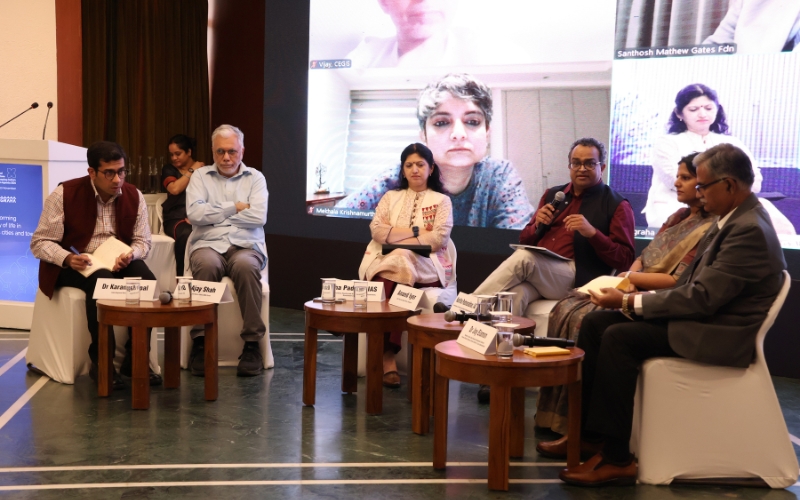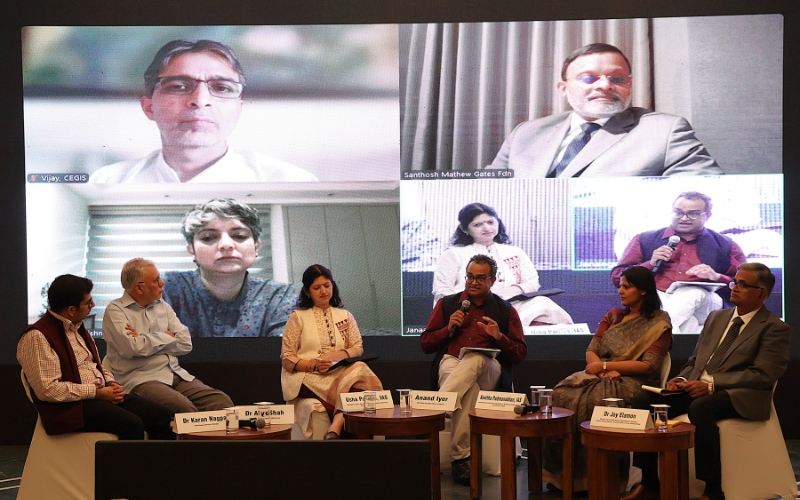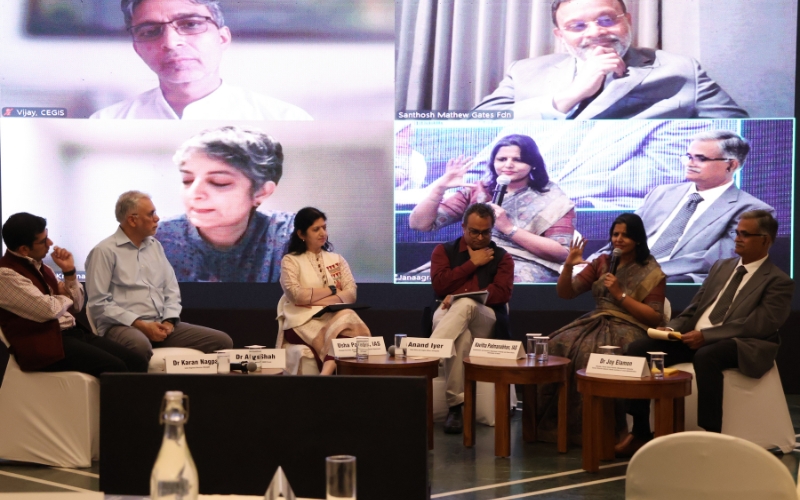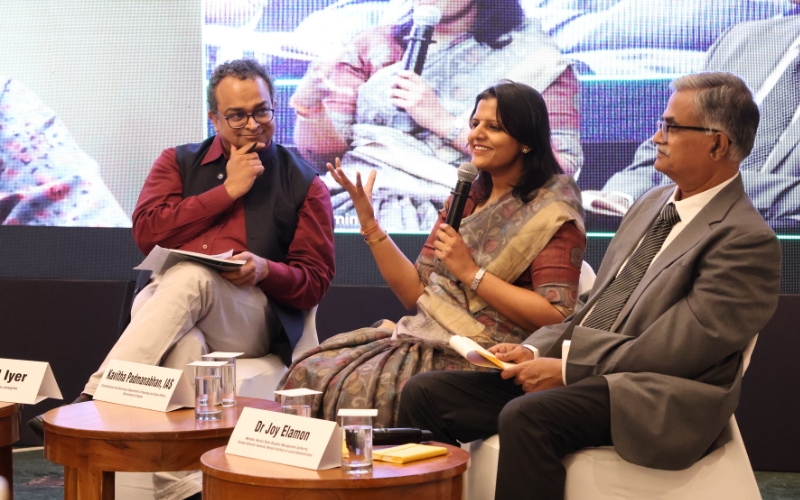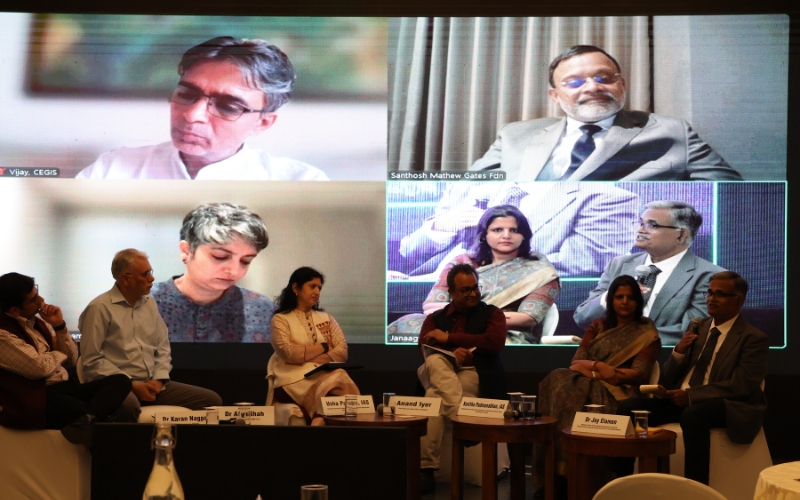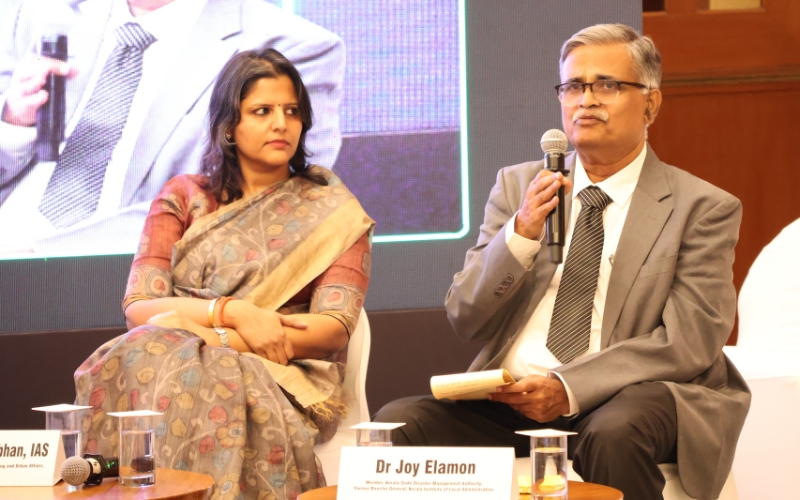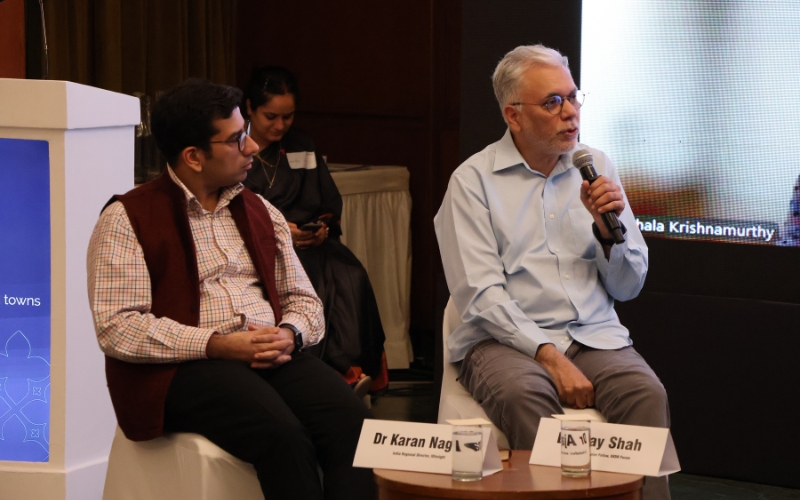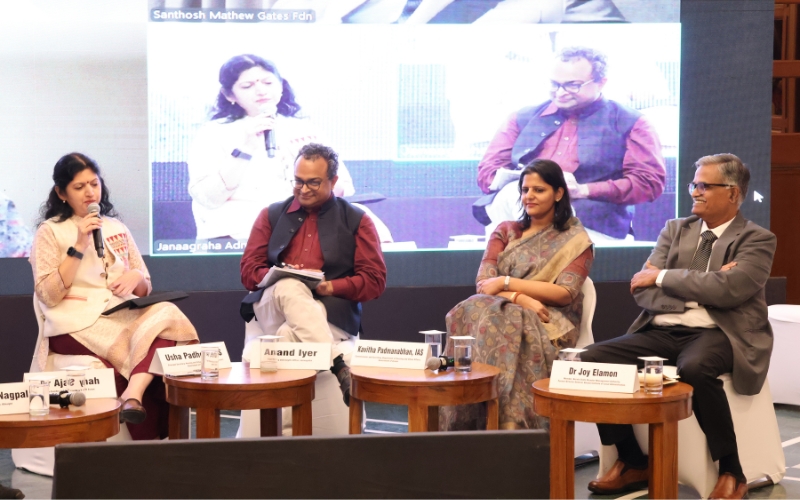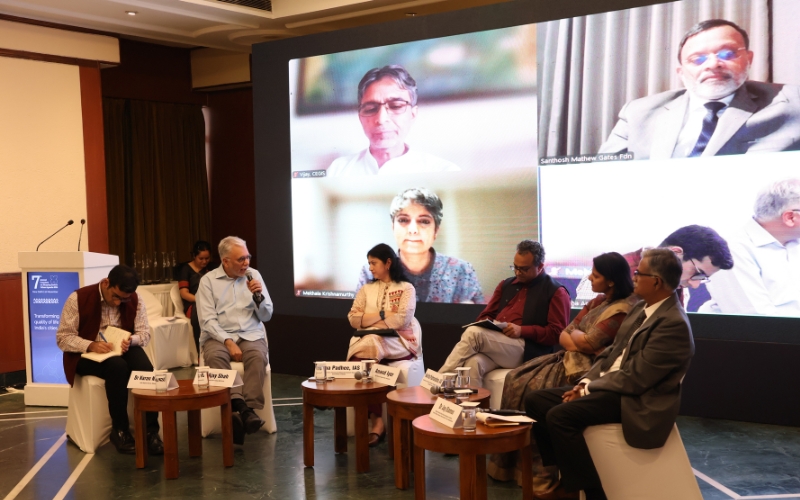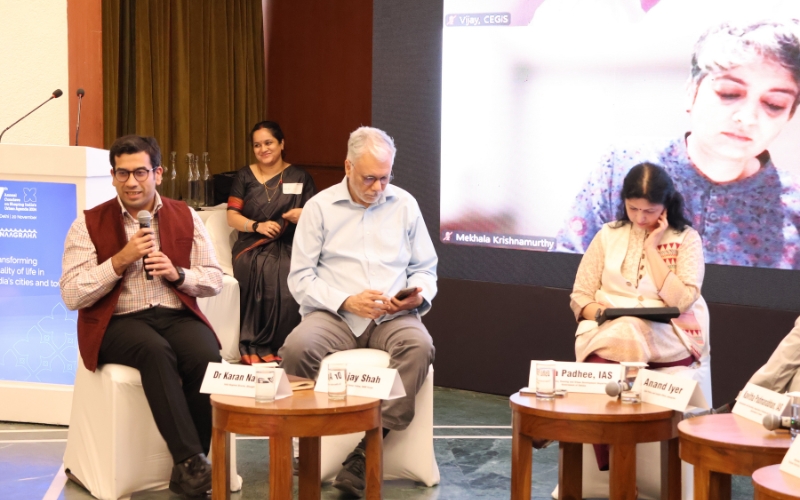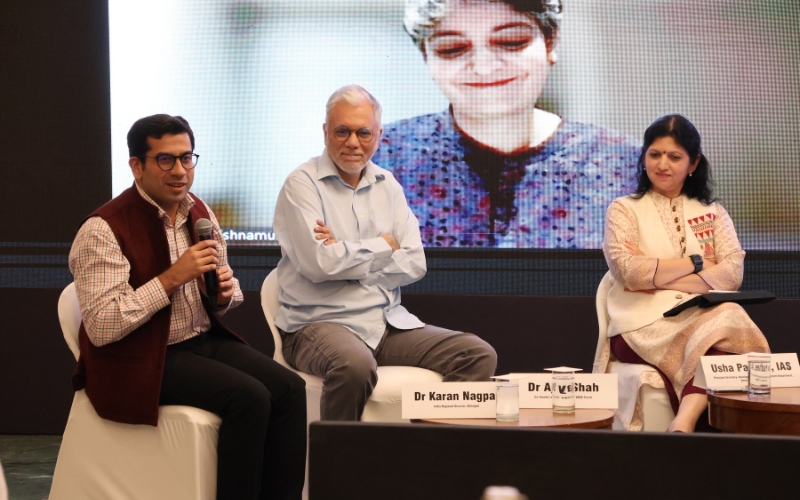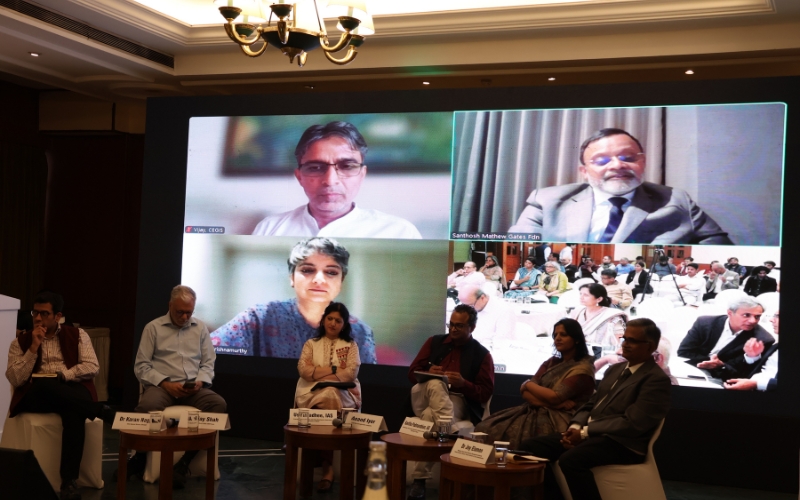
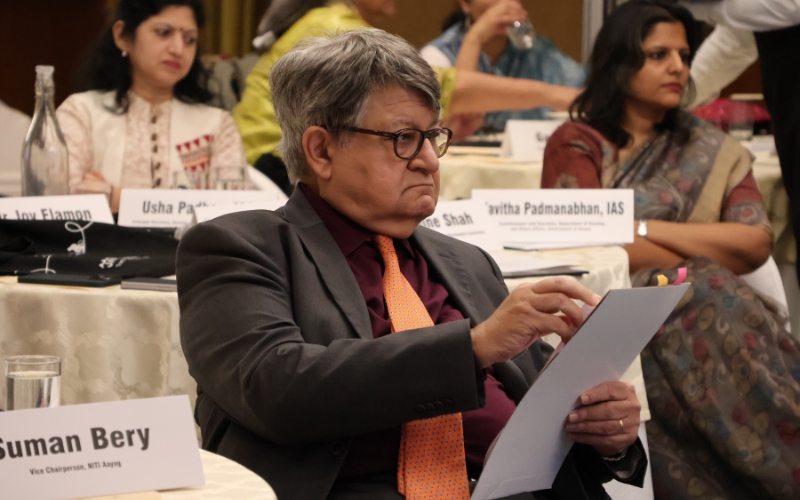
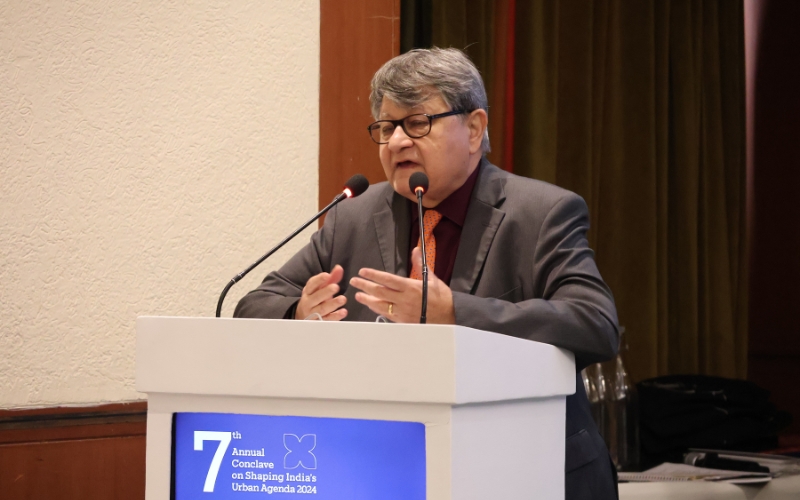
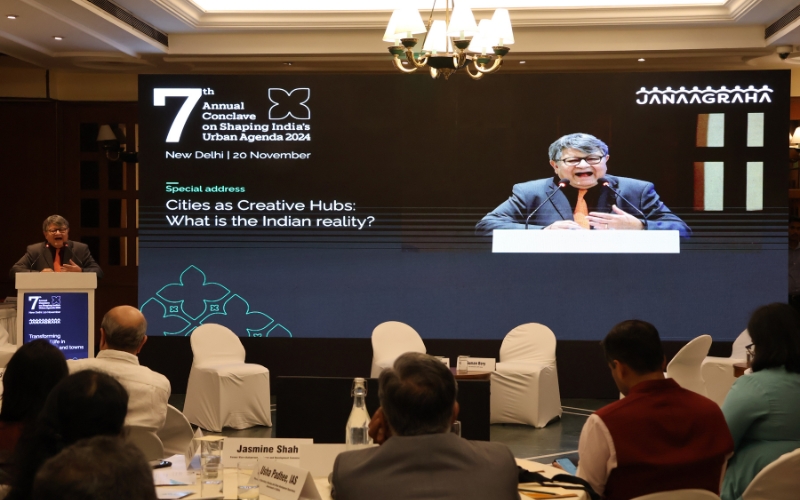
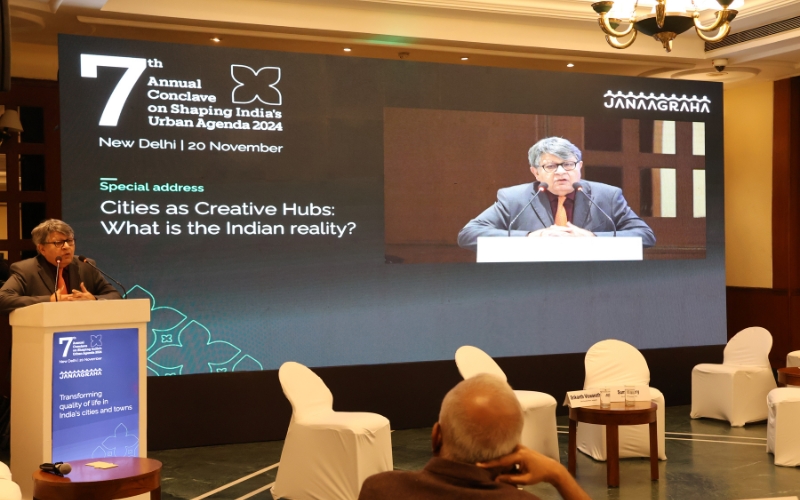
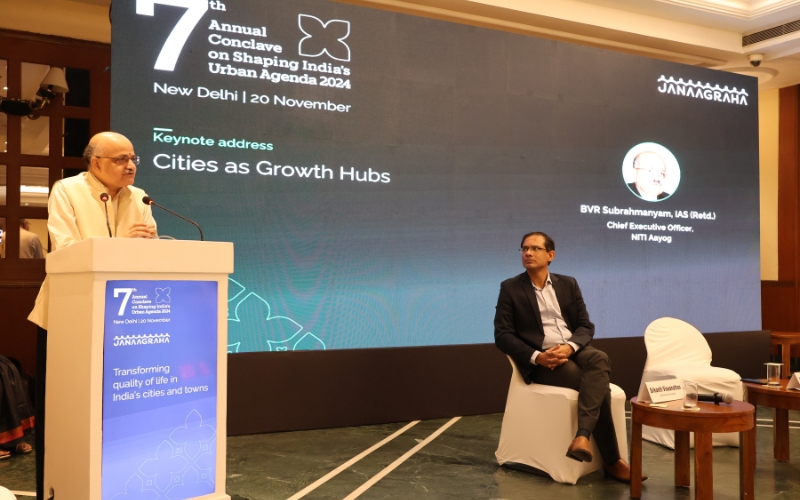
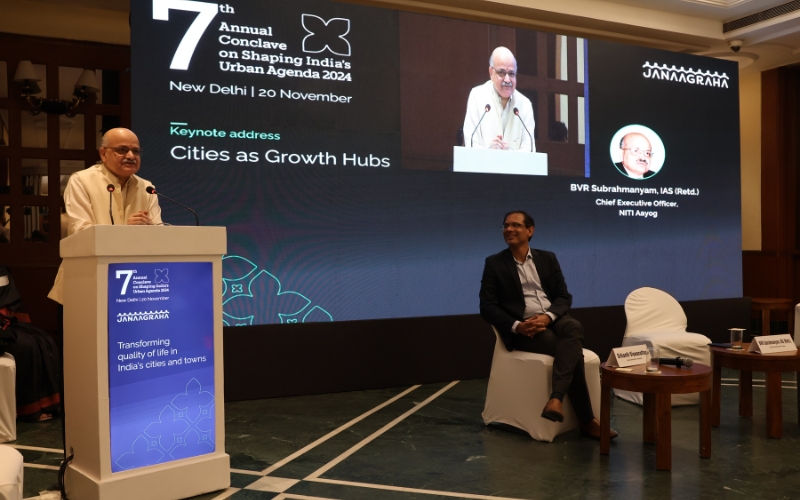
Mr Suman Bery, Vice-Chairperson, NITI Aayog delivered a special address on 'Cities as Creative Hubs' while Mr BVR Subrahmanyam, Chief Executive Officer, NITI Aayog delivered the keynote address on 'Cities as Growth Hubs'.
The addresses highlighted that cities act as growth hubs primarily due to their ability to facilitate interaction, and, as such, there is a need for deeper discourse on factors enabling such interaction and the government's role in them. The future of cities, it was noted, is predominantly envisioned through science and technology, overlooking crucial aspects of cultural heritage such as music and design. The need for empirical studies to demonstrate the value of culture in the growth of cities was emphasised. Organisations working on urban governance were encouraged to initiate conversations around this, along with other pressing urban issues.
The addresses also noted that the 'urban agenda' is no longer at the periphery for union and state governments in the country, reflecting the rapid growth of cities and their contribution to India's GDP. Centralised policies were considered sub-optimal, given the diversity of Indian cities. Instead, regional planning that transcends state and municipal boundaries was proposed to leverage existing urban economic opportunities. It was recommended that urban local governments should be equipped to monetise land value, rather than relying heavily on union and state government grants. 'City management' was also proposed as an agenda to enhance their service delivery capabilities.
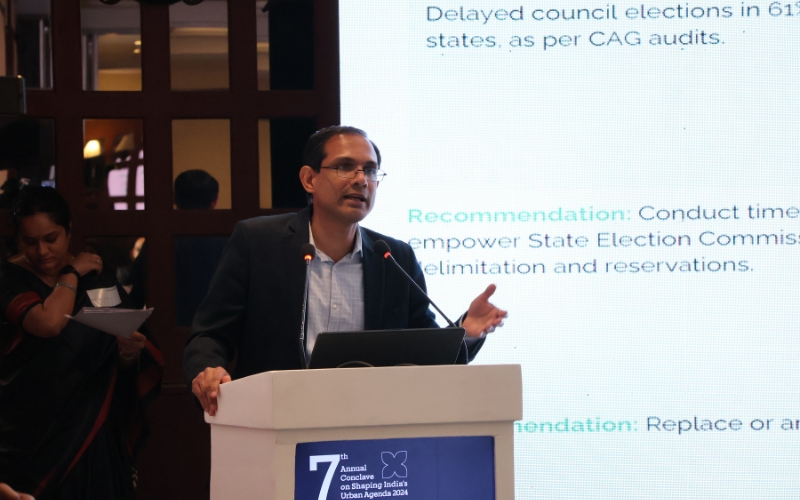
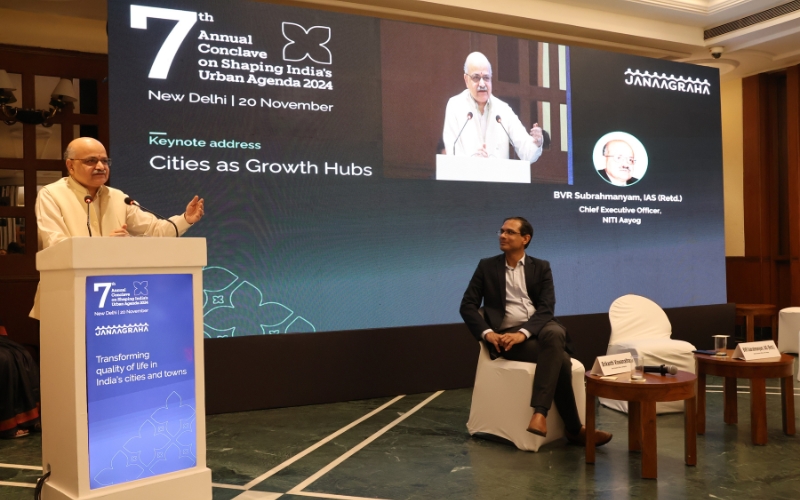
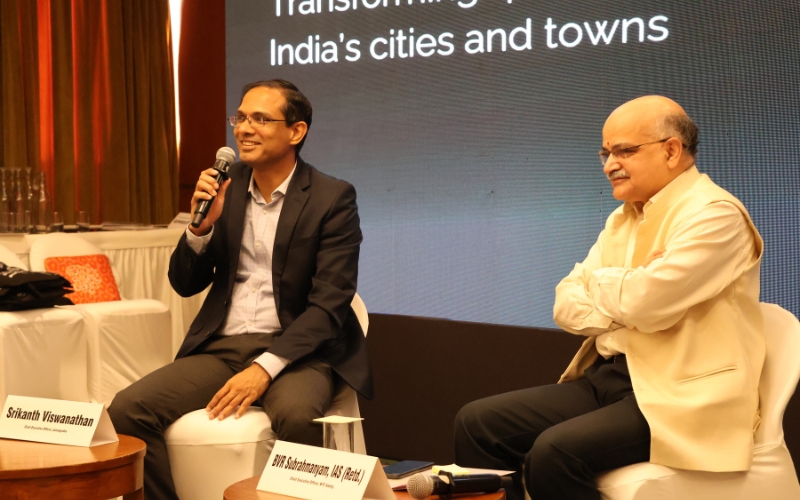
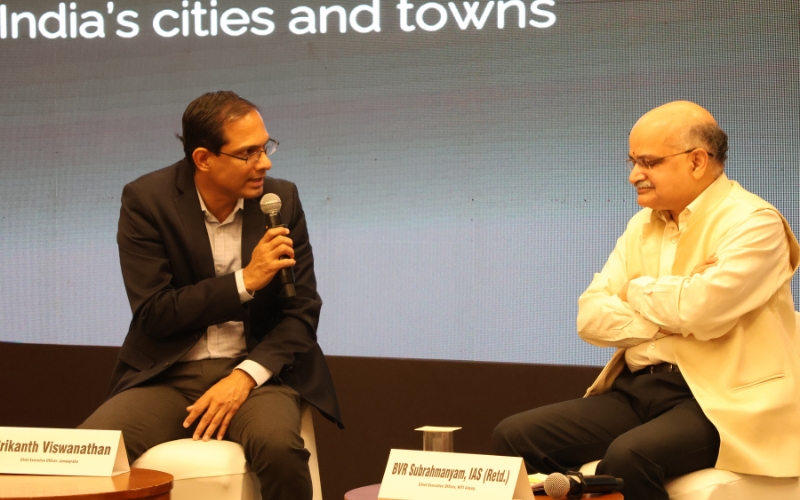
The speakers, who included senior policymakers and urban planning experts, emphasised the critical need for systemic reforms in urban governance to keep pace with India’s urbanisation. There was consensus on the need to redefine ‘urban’ to reflect the true, currently underestimated scale of urbanisation, for accurate planning. They stressed the primacy of the elected political leaders like mayors in urban governance. Cities are to be led by them, and not civil servants, to ensure better service delivery and accountability to citizens. The speakers critiqued sectoral approaches to urban planning and advocated for integrated frameworks, evidence-based strategies, aligning municipalisation with urbanisation, enhanced coordination of Urban Local Governments (ULGs) across agencies, and the funding of projects for place-based governance. Greater democratisation through elected governments at district level was suggested, with an emphasis on addressing entrepreneurial and leadership gaps via HR and administrative reforms.
A case was made for master plans to be rooted in scientific analyses and future projections, to ensure resilience against political, administrative, and environmental changes. Economic and climate policies must, the speakers agreed, be seamlessly integrated into planning processes with private sector participation encouraged to manage urban sprawl and reverse inner-city degradation. The speakers also highlighted making bottom-up neighbourhood plans as the building blocks of cities.
Leveraging GST data to estimate city-level revenue was proposed as a way to incentivise improved municipal funding and empower city leaders. The speakers also advocated looking beyond Western models of governance to examples from East Asia and Africa which offer valuable insights into managing rural-urban transitions and optimising urban local government resources.
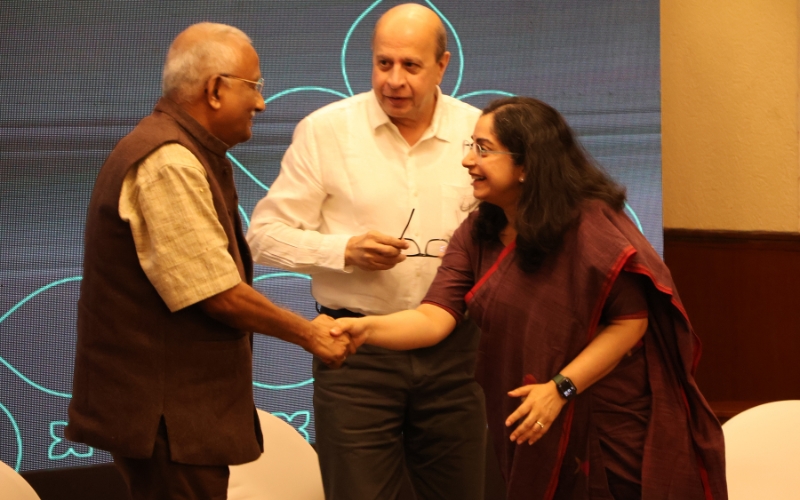
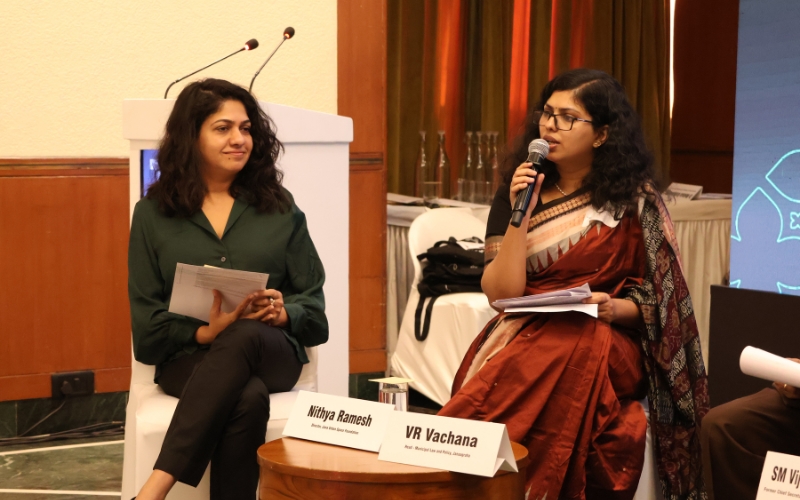
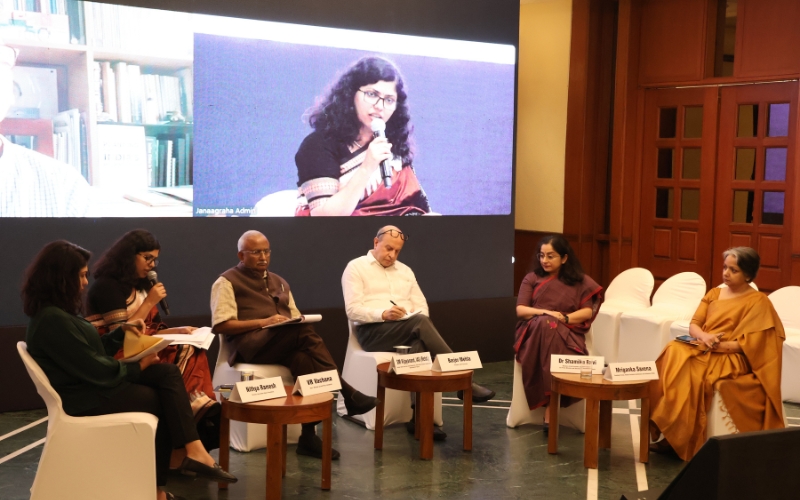
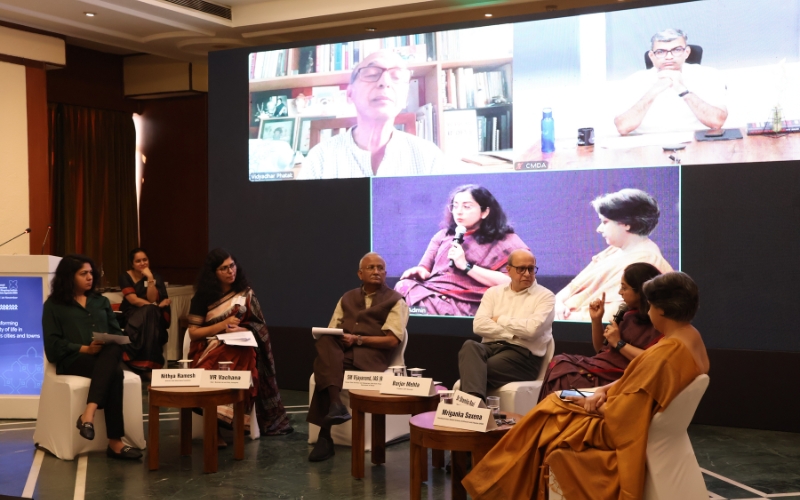
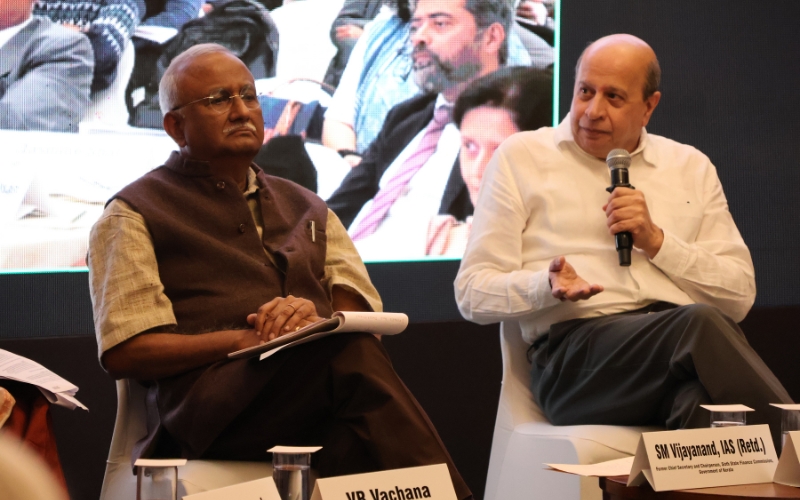
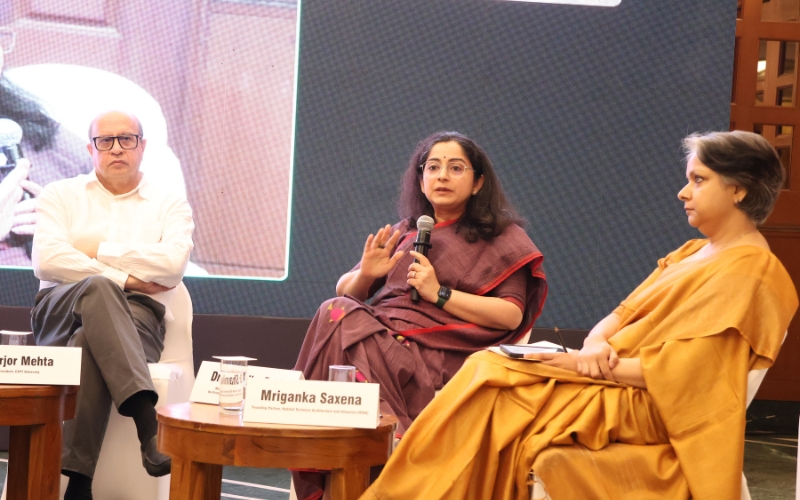
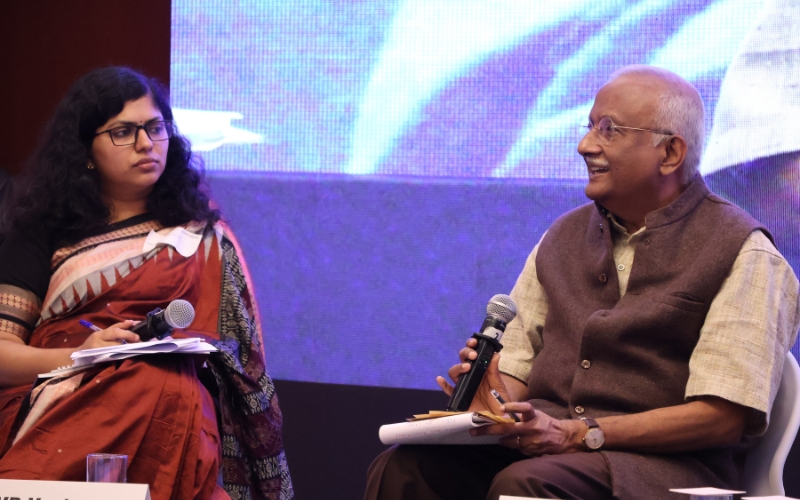
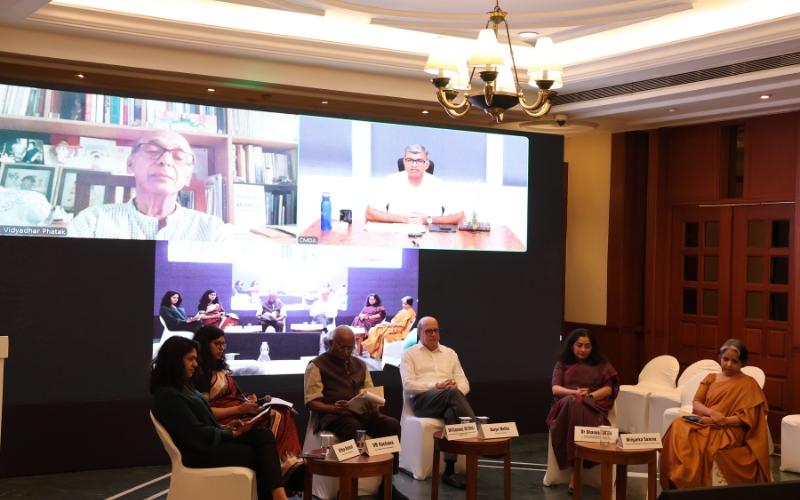
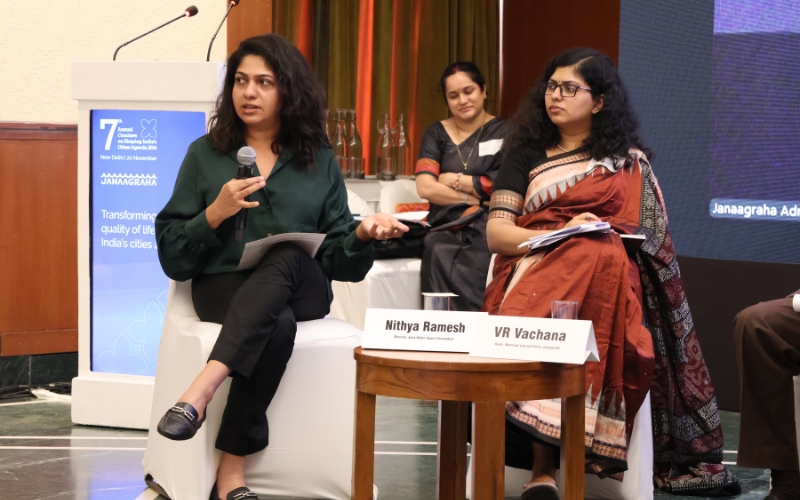
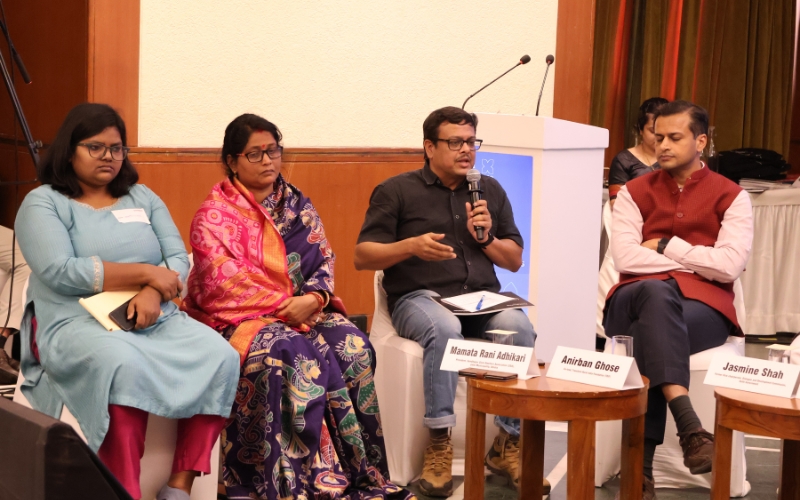
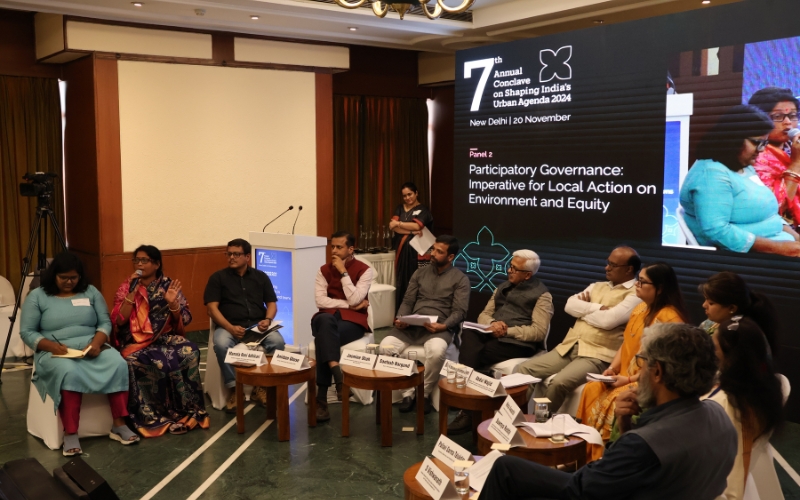
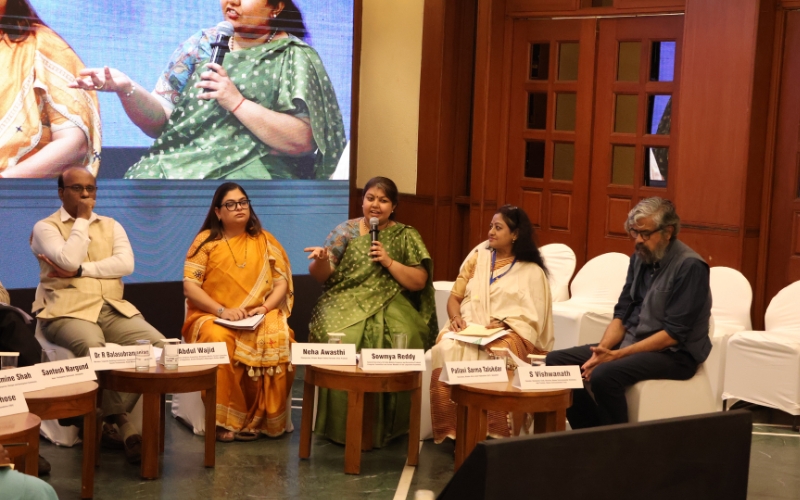
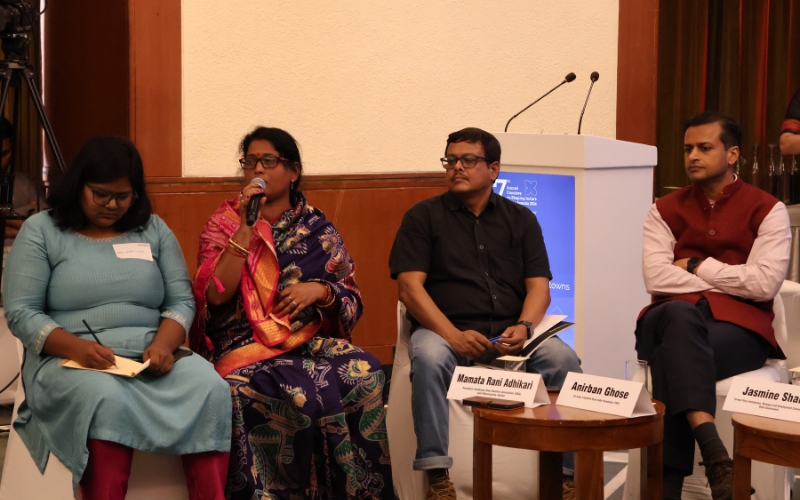
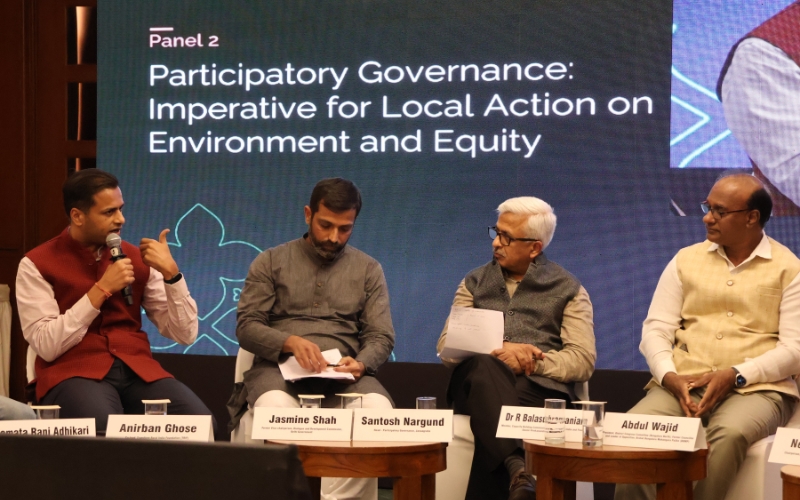
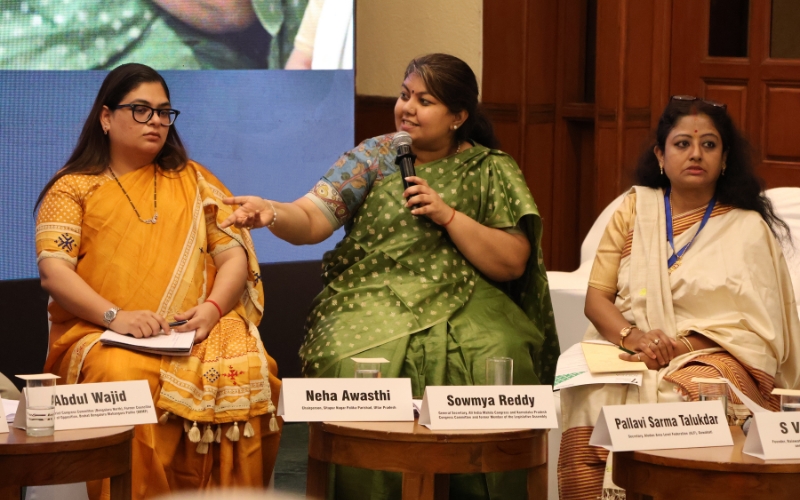
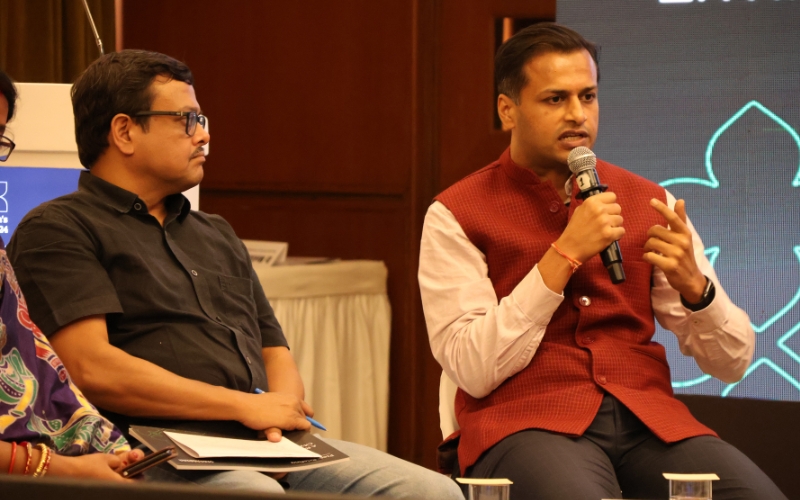
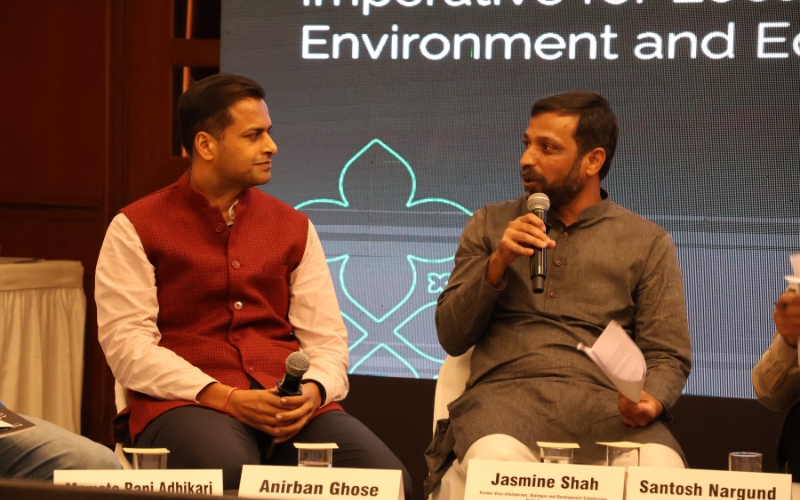
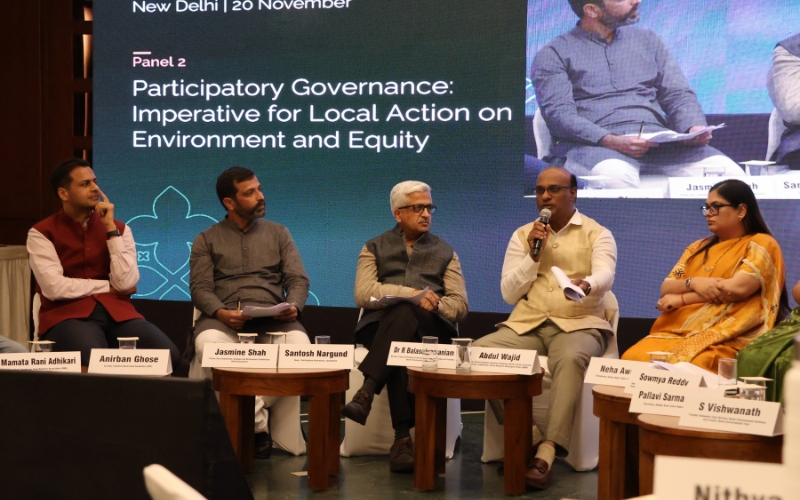
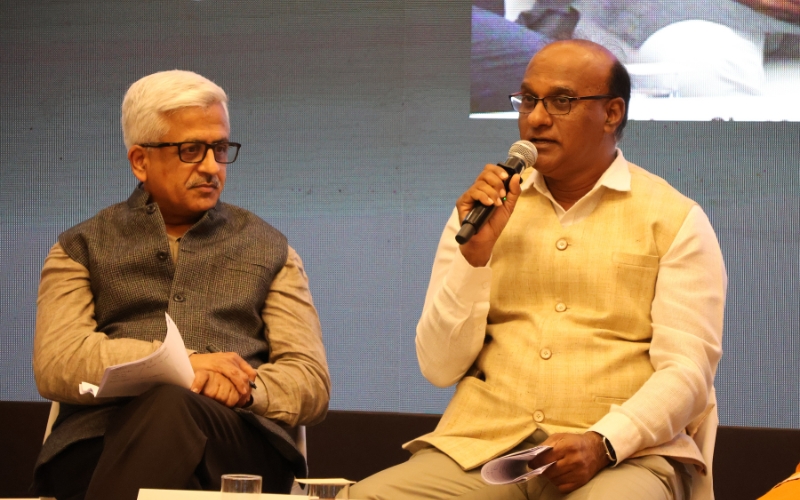
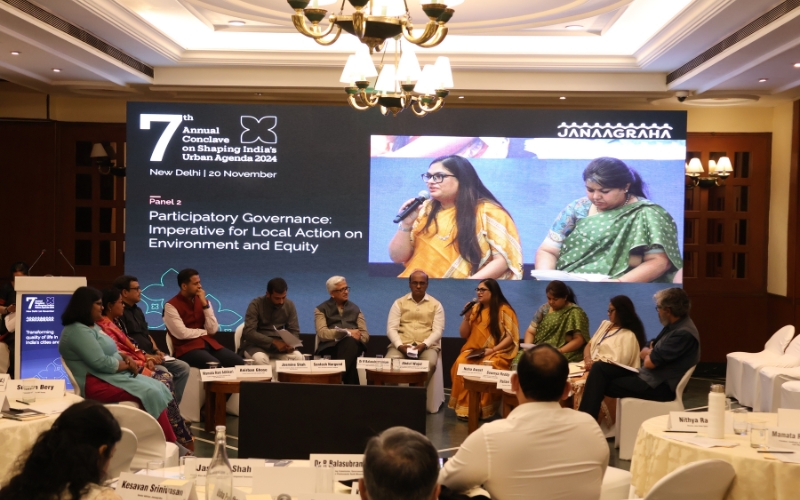
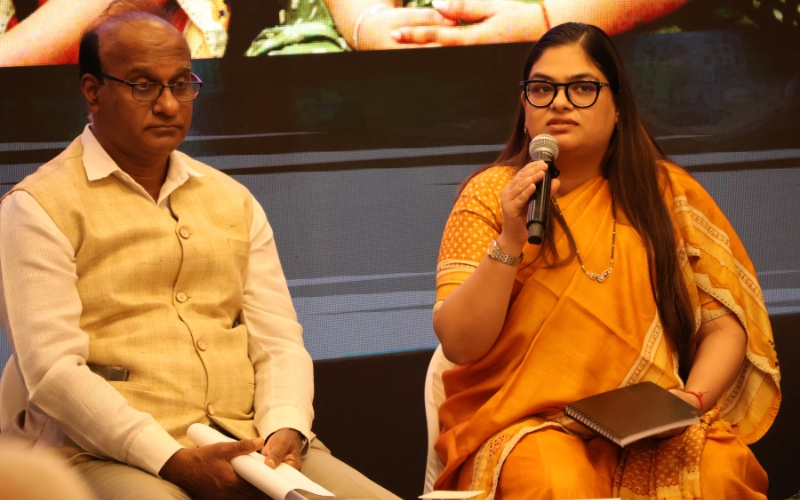
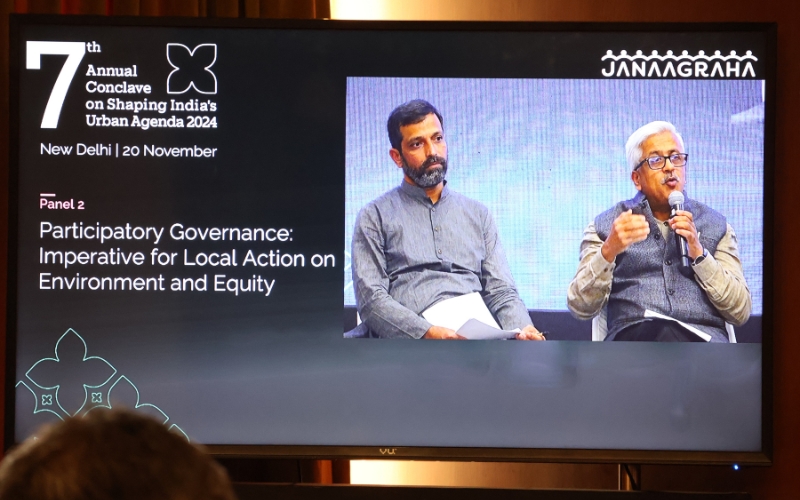
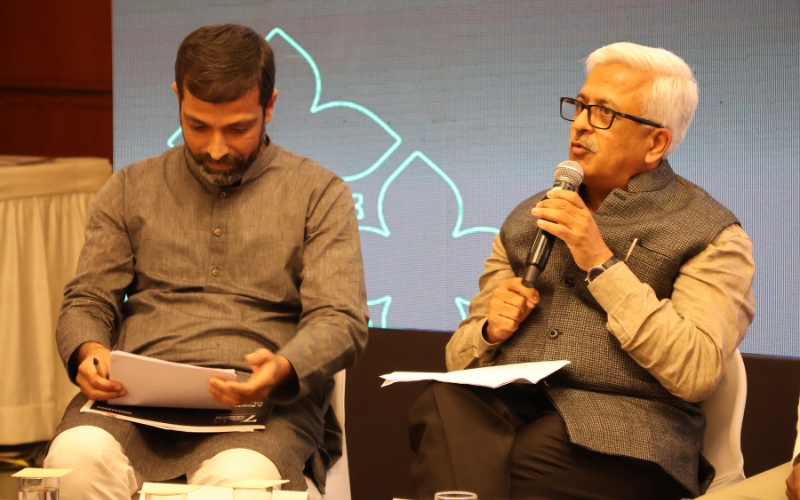
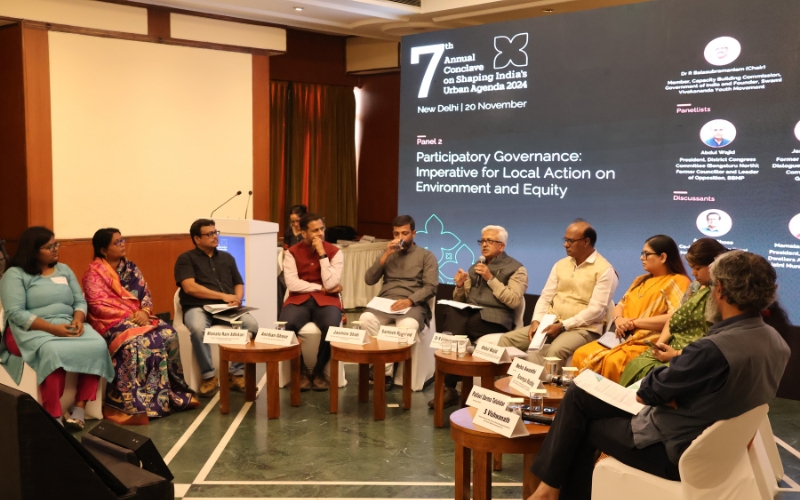
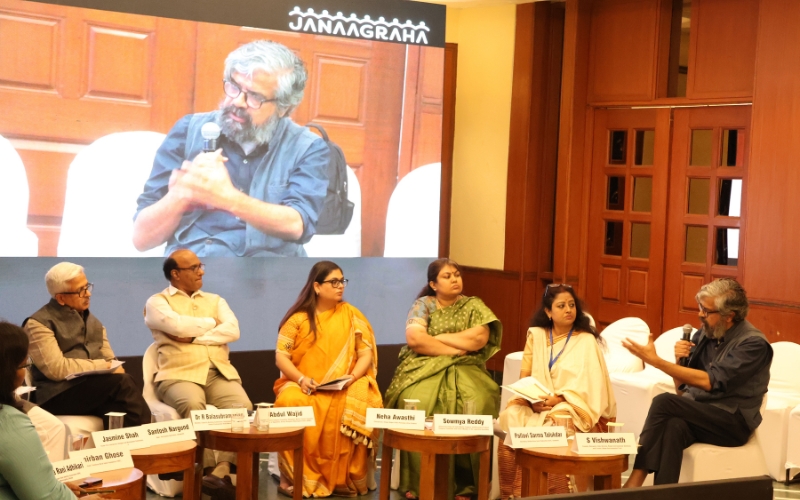
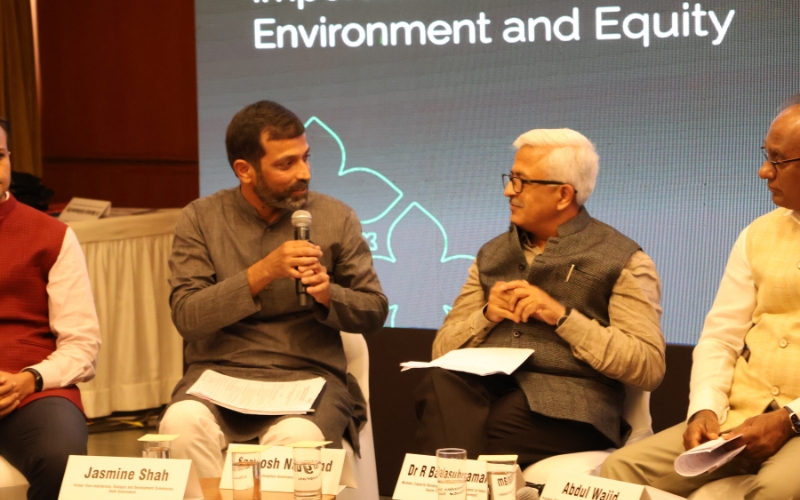
Senior policymakers, elected representatives, and domain experts from civil society, research, and academia convened for this panel to examine frameworks for meaningful citizen participation in urban governance.
The speakers advocated for recognising citizens as co-creators in governance, noting that this requires fundamental shifts in political and attitudinal perspectives. They emphasised the need for institutional frameworks and platforms such as ward committees that effectively engage citizen participation and harness their contributions. Strengthening local democracy, the speakers acknowledged, demands empowering mayors and councillors with the technical knowledge necessary to monitor project implementation effectively and ensure efficient utilisation of funds and functionaries; supported by the political will of state governments.
The speakers stressed that realising the vision of the 74th Constitutional Amendment requires empowering State Election Commissions. These bodies, they argued, should have autonomy and authority equal to the Election Commission of India to conduct local body elections independently. There was consensus that, despite the legal provisions for decentralisation, there is limited devolution of powers, which leads to the disempowerment of Urban Local Governments (ULGs) and a reluctance to create meaningful opportunities for citizen participation. Examples like the Slum Dwellers Associations in Odisha and Area Level Federations of Self-Help Groups (SHGs) in Guwahati demonstrate that involving communities in development initiatives leads to empowerment and improved governance outcomes. It was also highlighted that ULGs must see the consumers of the services as communities, and not just as users, and should therefore ensure equity and justice through community participation. The speakers called for actionable measures to institutionalise participatory governance as a cornerstone for sustainable development at the local level.
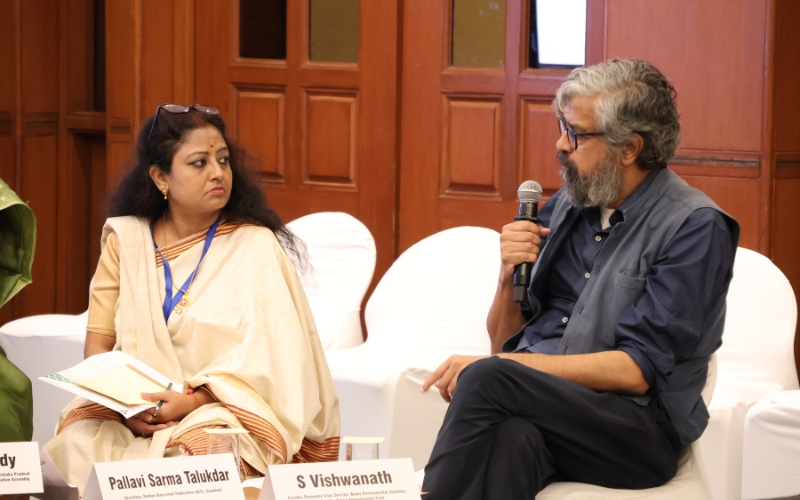
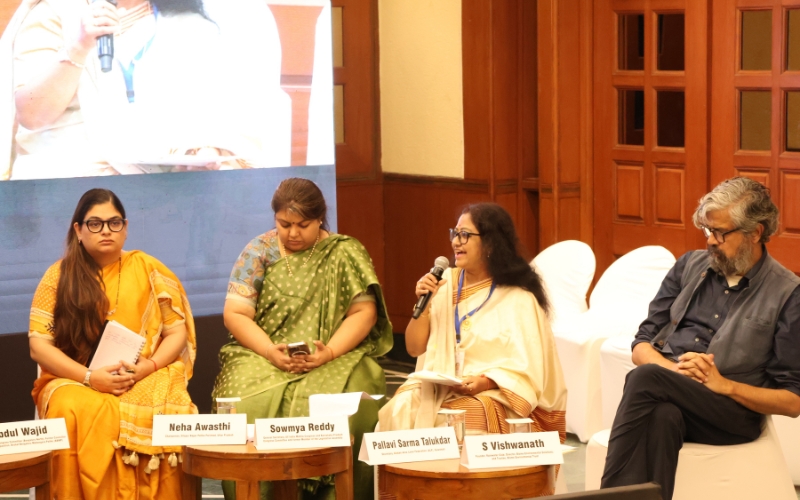
Experienced policymakers, bureaucrats, practitioners, and sectoral experts examined human resource reforms to build capacity in urban local governments.
The speakers underscored the need for institutional reforms that are politically salient, administratively feasible, financially viable, and technically robust. The conversation focused on the importance of showcasing practical, lighthouse examples of urban governance reforms, i.e., successful implementation in select municipalities, to demonstrate what is needed to achieve results while avoiding pilots that may fail to scale.
A key focus was the need for Urban Local Governments (ULGs) to undertake competency-based recruitment, define roles and responsibilities before recruitment and align them with the evolving urban challenges, and link training with performance to ensure accountability. They also made a strong case to leverage capacity-building frameworks that include front-line workers from community organisations and to develop skills in contract and performance management to avoid inefficiencies. The financial struggles of smaller ULGs to pay staff salaries and the performance monitoring challenges faced by larger ULGs were also discussed as key issues requiring tailored solutions. Building relational capacity within governance systems, fostering trust, and creating planning departments within ULGs to tackle emerging urban issues were seen as critical steps toward transformative urban governance. Effective leadership and committed professionals were highlighted by the speakers as essential drivers of change, with examples demonstrating how proactive initiatives, such as how improved solid waste management and street lighting, led to enhanced revenue collection, thereby showing increased public trust.